NEPA Porator
The Nepa Porator is our entry-level electroporation device.
It is designed specifically for Bacterial, Fungal and Yeast electroporation and can accommodate Cell electroporation (suspension cell EP).
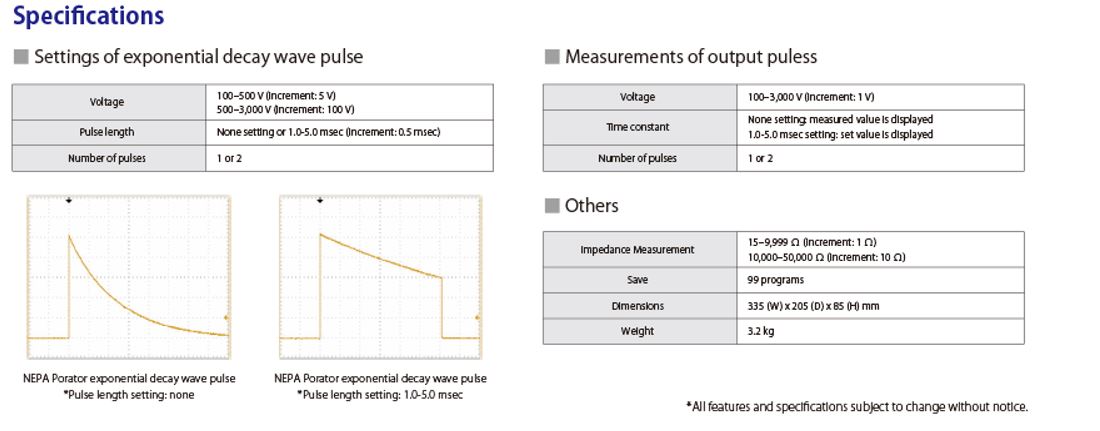
NEPA Porator parameters include:
| Settings | Output Measurements |
Compared to the ELEPO21 there is limited control over all the possible electroporation parameters.
|
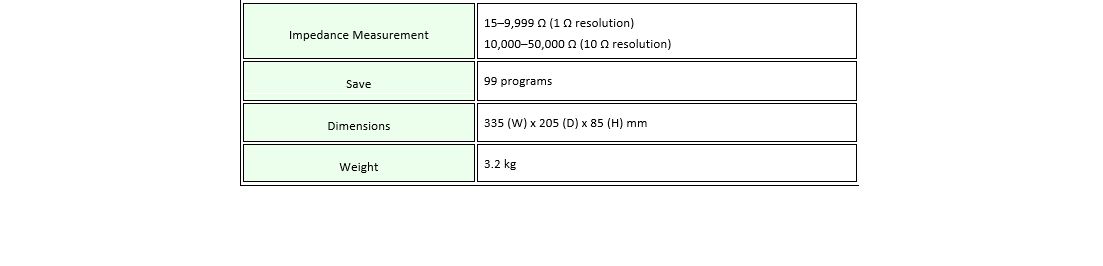
Impedance: 15 – 50,000 Ohm |
 |
||
 |
About the NEPA Porator
The NEPA Porator can replicate some of what the NEPA21 does for suspension cell EP only.
Unlike the NEPA21, the NEPA Porator does not have an In Vivo, Ex Vivo and In Ovo capability, nor can it electroporate cells directly in the well-plate.
In terms of control of electroporation parameters, it does not have:
- a Multi-pulse (Poring and Transfer) capability
- a Pulse Interval setting
- the same scope to modify the delivered ‘No. of pulse’
- a Decay Rate setting
- a polarity exchange setting
Not having the same control of electroporation parameters means that it does not have the same precision of delivered output pulses.
For sensitive targets and applications (Zygote / Organoid), it is unable to compete with the NEPA21 system.
However, for applications that are not as sensitive (such as Bacteria and E. Coli) it is perfectly suited.
The NEPA Porator can be set up to perform basic suspension Mammalian Cell EP.
But because the device does not have the same pulse configuration profile as the NEPA21, it will be able to reproduce the same precision and control as the NEPA21 system for suspension mammalian cell EP.
NEPA Porator Transformation/Transfection Applications
The NEPA Porator has been designed and optimised for the following applications.
If required, it can also be used for basic Mammalian Cell electroporation.
The NEPA Porator can be set up to perform basic suspension cell EP. But because the device does not have the same pulse configuration profile as the NEPA21, it is not be able to reproduce the same precision and control as the NEPA21 system for suspension mammalian cell EP. But it still out performs many competitor devise for cell electroporation as, like the NEPA21, it is still able to monitor and control impedance prior to delivering its electric pulse. |
NEPA Porator v Competitor Devices
The direct competitor devices are the:
- MicroPulser
- ECM399
- ECM630 and
- Eporator
NEPA Porator Ohm-Check facility for controlling electroporation
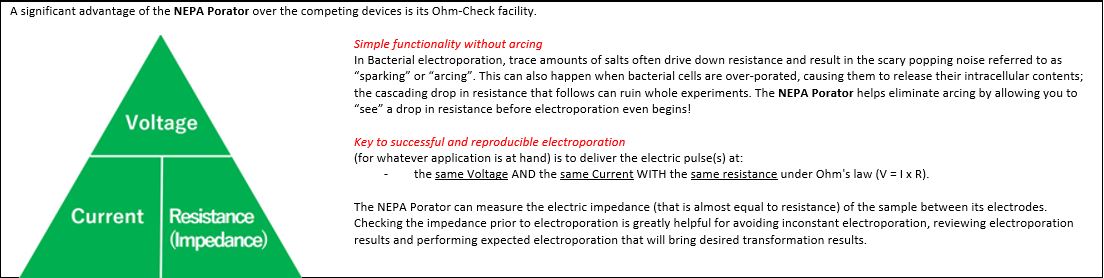
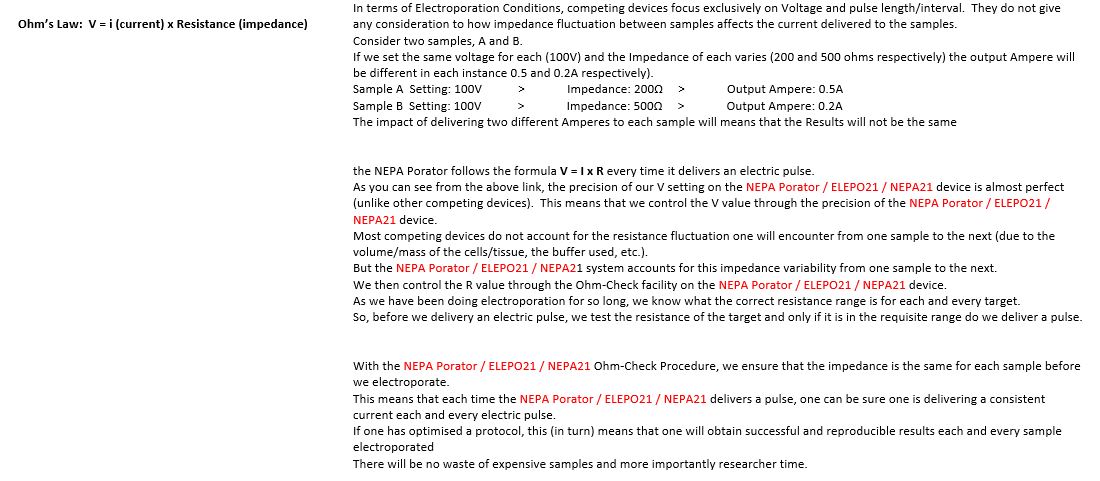
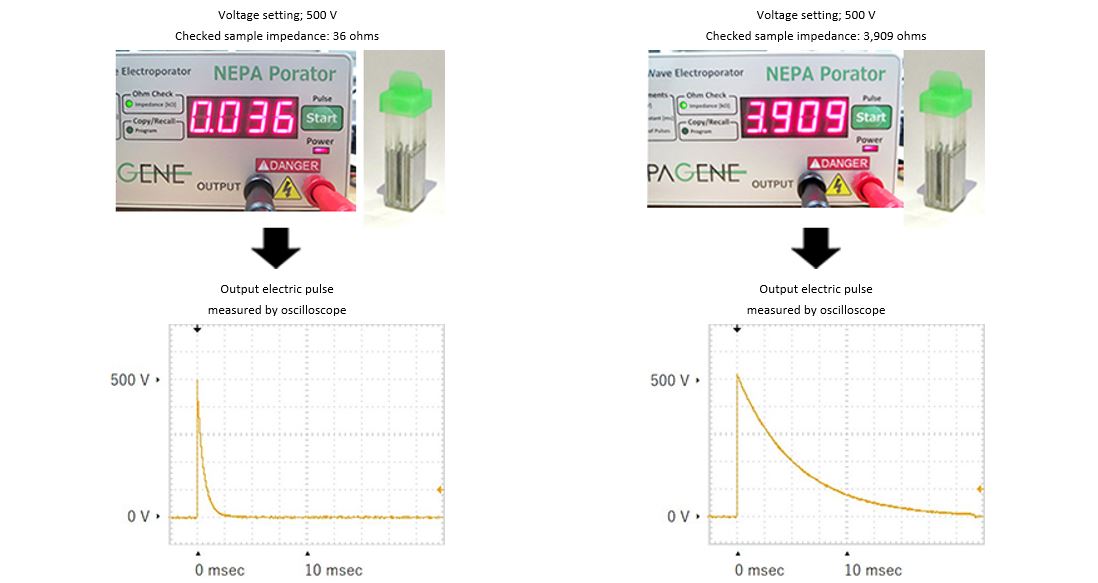
Performing Impedance checks Prior to Pulse Deliver gives better results
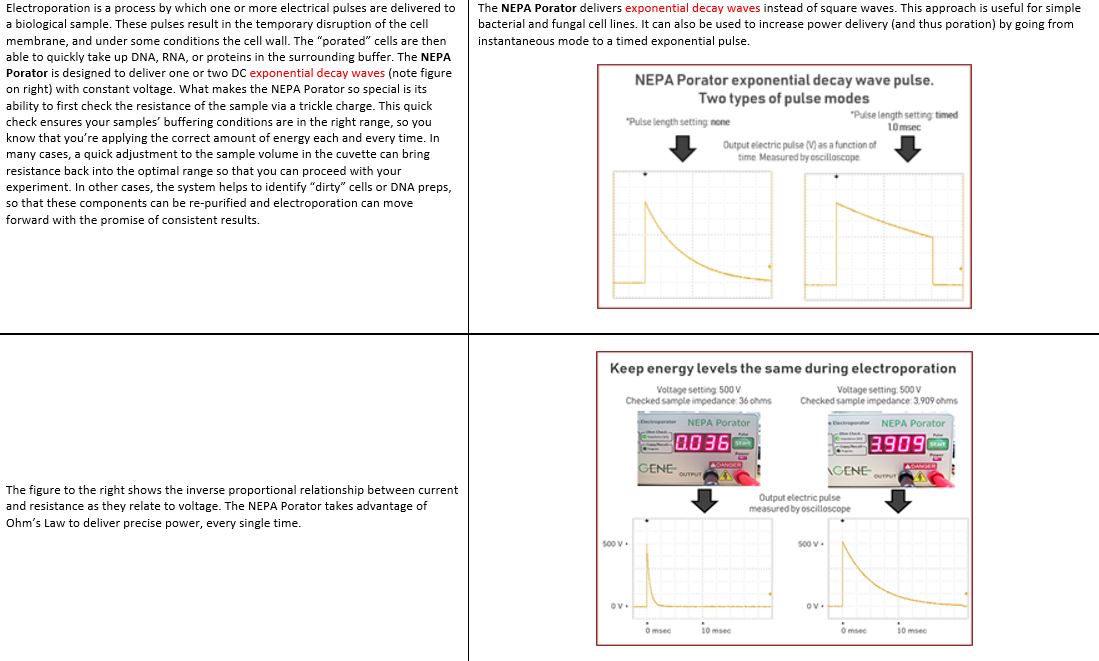
Results from Client Labs in Japan demonstrate efficient and reproducible electroporation of E. Coli and other Bacterial cells
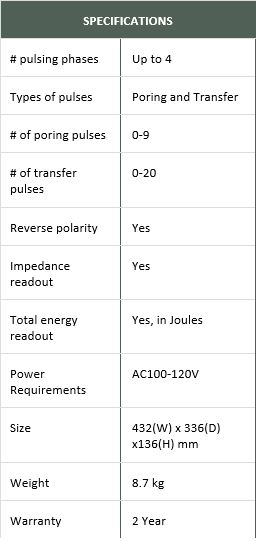
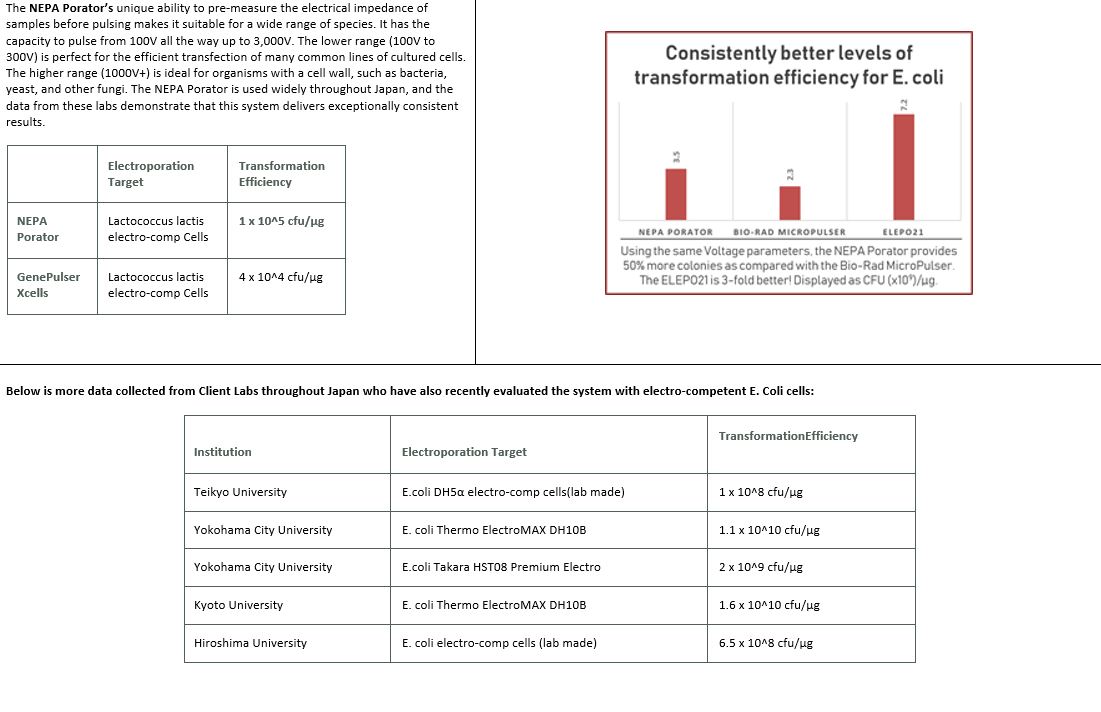 NEPA Porator Specifications
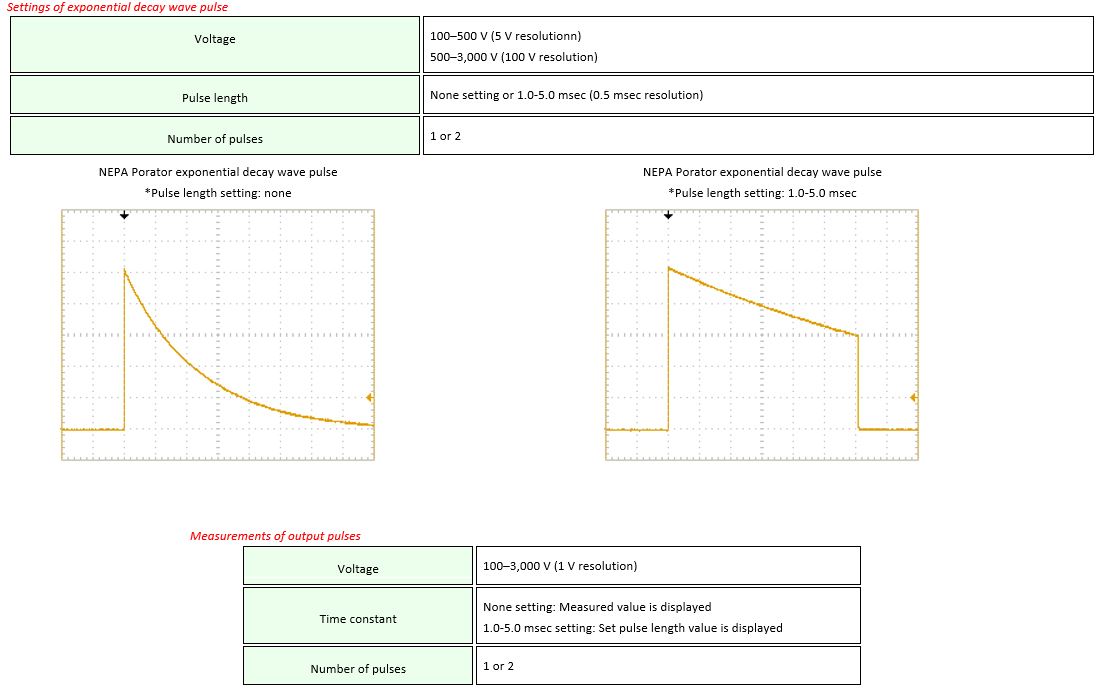 Other
Other
Where the NEPA Porator sits in or device portfolio
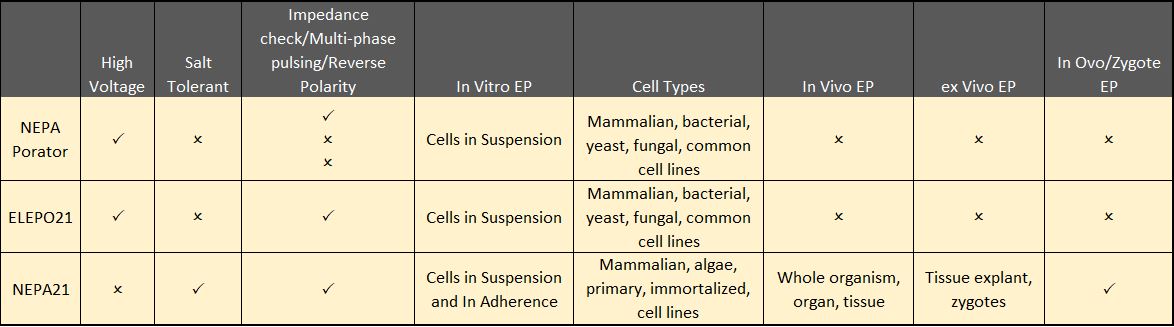
The advantage of the NEPA21 system is that it will perform all electroporation needs (both In Vivo and In Vitro).
With respect to your requirements, it will electroporate your target cells both in suspension and in adherence (directly in the well-plate).
Nepa Porator Impedance v Bio-Rad Capacitance
Bio-rad appears to prioritise the importance of capacitance over impedance in their protocols, and the ability of its capacitors to discharge energy quickly.
In terms of electroporation reproducibility and the viability of the electroporated target, the Nepa Porator prioritise impedance.
The capacitance and impedance are not comparable nor similar.
That said, the Gene Pulser Xcell has an impedance measurement function (Bio-rad calls it “sample resistance” in their manual). But they do not consider it of critical importance to their protocols.
On the other hand, the ELEPO21 prioritises the critical significance of impedance measurement and control to its electroporation protocols.
A further contrast between the devices is:
- For the Gene Pulser Xcell, the impendance measurement range is: 5 ohms – 1,100 ohms, whereas
- For the Nepa Porator, the impedance measurement range is: 15 ohms – 50,000 ohms.